
57 games found
arcade, family, singleplayer
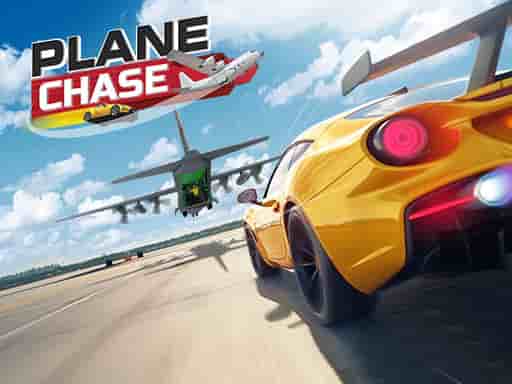
airplane, car, singleplayer
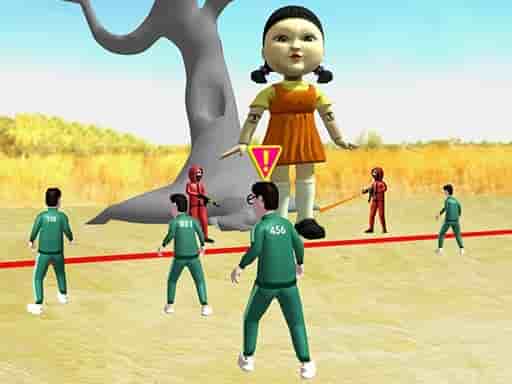
adventure, casual, family, kids, runner, survival
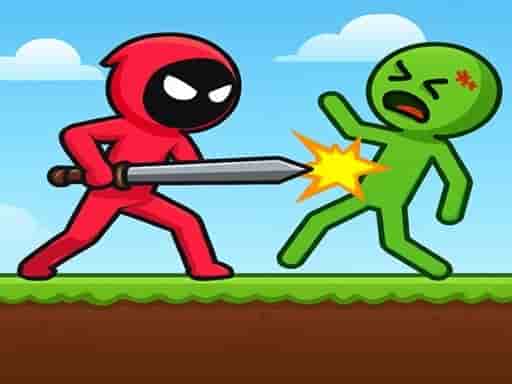
2d, action, crafting, fighting
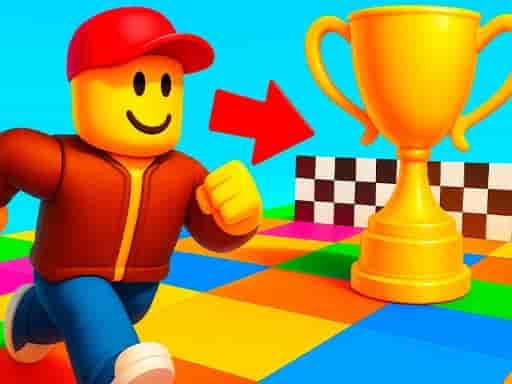
building, drawing, platformer, runner
arcade, casual, family, singleplayer

arcade, family, idle, puzzle, singleplayer

christmas, family, sports
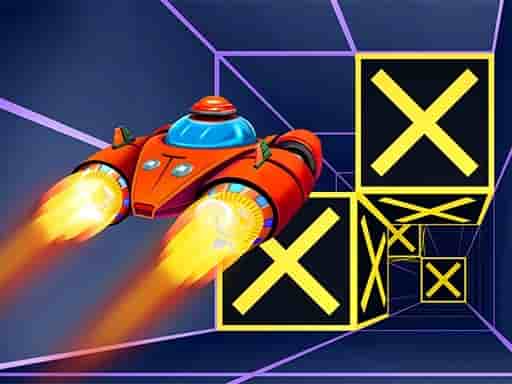
family, racing, runner

pixelart, platformer, racing, runner
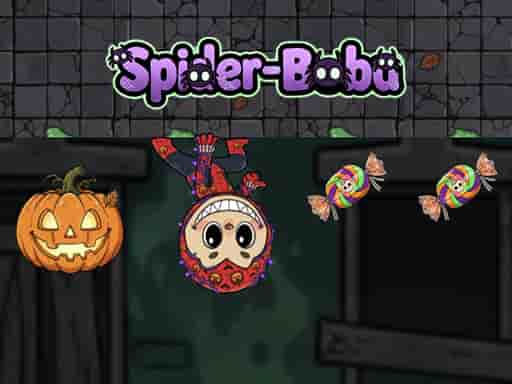
2d, action, arcade, family, platformer

family, halloween, match3, puzzle

action, fighting, ninja

action, fighting
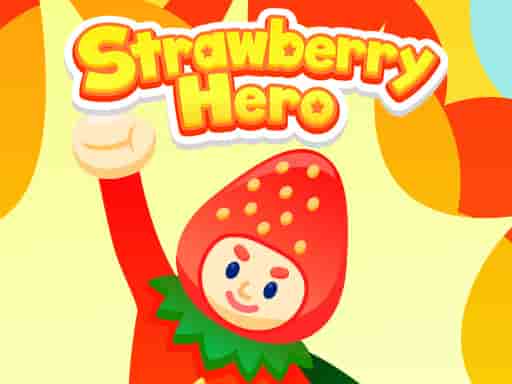
action, casual, cooking, family, platformer

arcade, casual, family, puzzle, singleplayer, sports

2d, arcade, endless, family

arcade, casual, endless, family, puzzle, runner, sports, survival

2d, family, platformer, singleplayer

educational, family, platformer, runner, shooter
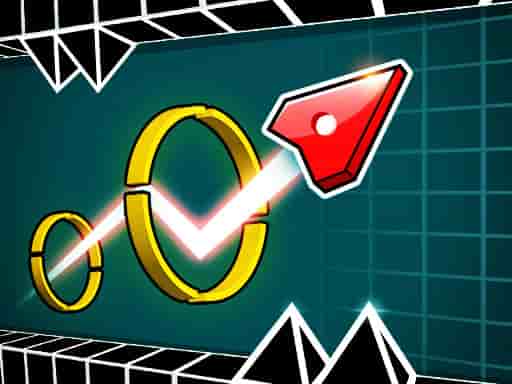
educational, family, multiplayer, runner, shooter, singleplayer
Agility games put your reflexes to the ultimate test, demanding quick reactions and precise timing to succeed. From endless runners requiring split-second direction changes to platformers demanding pixel-perfect jumps, these games measure how quickly your brain can process information and translate it into action. The challenge is immediate and the feedback instant, creating an engaging loop of attempt, failure, and improvement.
Regular play of agility games measurably improves reaction time and hand-eye coordination. They train your brain to process visual information faster and respond accurately under time pressure. The immediate cause-and-effect nature of agility games makes them excellent for developing focus and concentration. High score systems provide clear metrics for tracking your improvement over time.
Players wanting to sharpen reflexes, competitive score chasers, anyone seeking immediate action without complex systems, and gamers who enjoy the satisfying feeling of physically improving at a skill.
Explore the World and Space with the famous Chicken Banana running endlessly. Collect gold, diamonds, and special items while chasing the longest distance.
Plot your escape from a space prison as the infamous imposter who refuses to accept captivity. Navigate over 100 levels of deadly traps, brain-teasing puzzles, and hostile crew members.
Roll, spin, and jump through levels with unexpected obstacles ahead. Feel happy and relaxed while navigating the ball-rolling experience through focused gameplay.
Fly high with Labubu using a jetpack to survive a thrilling lab escape adventure. Tap to activate the jetpack and release to run along surfaces.
Test reflexes, strategy and timing in this fast-paced game inspired by the classic playground challenge. Stop immediately on red light, move quickly on green.
Guide a sleek arrow along floating roads filled with gears, traps, and obstacles in this precision reflex game. Your focus, timing, and precision determine survival through each challenging track.
Agility games represent gaming at its most immediate and physically engaging — experiences where your hands, eyes, and reflexes must work together in perfect coordination to achieve mastery. Unlike strategy games where outcomes are determined by planning, or puzzle games where thought is primary, agility games test the physical execution layer of gaming: how fast you can process visual information and translate it into precise inputs. The defining characteristic of great agility games is their feedback quality. Every action should produce an immediate, clear response. Jump and the character jumps instantly. Move left and movement begins without delay. This input responsiveness is what creates the feeling of control that makes agility games satisfying — you feel directly responsible for outcomes rather than fighting against sluggish systems. Difficulty in agility games increases through several mechanisms. Speed escalation simply increases how fast things happen, requiring faster reactions from the player. Pattern complexity introduces more varied sequences that must be read and responded to correctly. Precision requirements tighten the acceptable input window, demanding more exact timing. The best agility games scale these difficulty factors smoothly, creating a continuous skill development curve. Reflex-based challenges in agility games are addressed through a well-documented process: observation, prediction, and automation. Initially, players react to what they see. As patterns become familiar, players begin predicting what will happen and preparing their responses before threats appear. With enough practice, responses become automatic — muscle memory replaces conscious decision-making, freeing attention for higher-level pattern recognition. Browser agility games benefit from simple control requirements — most need only arrow keys, WASD, or mouse clicks. This simplicity means all cognitive resources can focus on the actual agility challenge rather than remembering complex button combinations.
Agility and reflexes have been tested by games since the earliest electronic gaming. Pong (1972) required timing and directional control. Space Invaders (1978) escalated speed to create increasing challenge. Pac-Man (1980) demanded navigation skill under threat. These arcade classics established reflex-based challenge as gaming's original core mechanic. The platformer genre, beginning with Donkey Kong (1981) and exploding through Super Mario Bros. (1985), refined agility game design into sophisticated experiences where jumping precision, timing, and spatial awareness determined success. Platformers remain one of gaming's most beloved and enduring formats precisely because physical skill mastery is so satisfying. The endless runner format — games where characters move automatically and players control only jumping and dodging — democratized agility gaming further in the smartphone era. Temple Run, Subway Surfers, and countless browser-based runners brought reflex challenges to audiences who had never played traditional platformers. Today browser agility games continue this tradition with increasingly polished control responsiveness, making the physical skill satisfaction of agility gaming available to any player with an internet connection.